What AI Image Generation Still Gets Wrong
In my testing, Meta AI's free tier caps out at the same unpublished daily limit Google's AI Overview cites — plus what these tools still get wrong.
We may earn a commission when you buy through links on this page. It never changes what we recommend — we only write tutorials for tools we actually use, and the price you pay is the same either way. How we make money
"Limitations" Means Two Different Things in 2026
This question splits into two different answers. The first is how much you're allowed to generate before hitting a paywall: undisclosed usage caps, watermarks, and tier restrictions. The second is what these tools still can't reliably do: text, hands, physical interactions, and copyright, gaps that marketing pages describe as solved well before they are. I cover both here.
The Usage Limits Nobody Publishes
Meta AI's free tier is the clearest example. In my testing I consistently hit a wall around 25 image generations per day, a number Meta itself never publishes. The cap resets on a rolling basis rather than a fixed daily clock, and usage is shared across every profile linked in your Accounts Center, so generating from Instagram and WhatsApp draws from the same allowance. There's no visible usage meter. Hitting the limit shows up in one of three ways: generation slows from seconds to 30+ seconds, Meta AI gives a vague conversational refusal ("I can't create images right now"), or you get a direct upgrade prompt for Meta One. Free outputs also carry a visible "Imagined with Meta AI" watermark plus invisible provenance metadata, with no removal path inside Meta's own ecosystem.
What AI Images Still Get Wrong, Technically
Marketing pages claim text rendering and hand generation are solved problems. My testing says otherwise. Hands and complex finger interactions have improved but still produce artifacts on intricate poses or multiple hands interacting. Precise, long, or small text stays inconsistent across most models, even on a tool marketed as a text specialist. My own Ideogram review found the same thing directly: Ideogram "still alters words, numbers, or spellings when prompts become more complex." Complex physical interactions (multiple people in dynamic poses, realistic multi-object physics) and long-form character consistency across 50+ images remain real limitations too. These models understand composition and aesthetics more reliably than they understand physics.
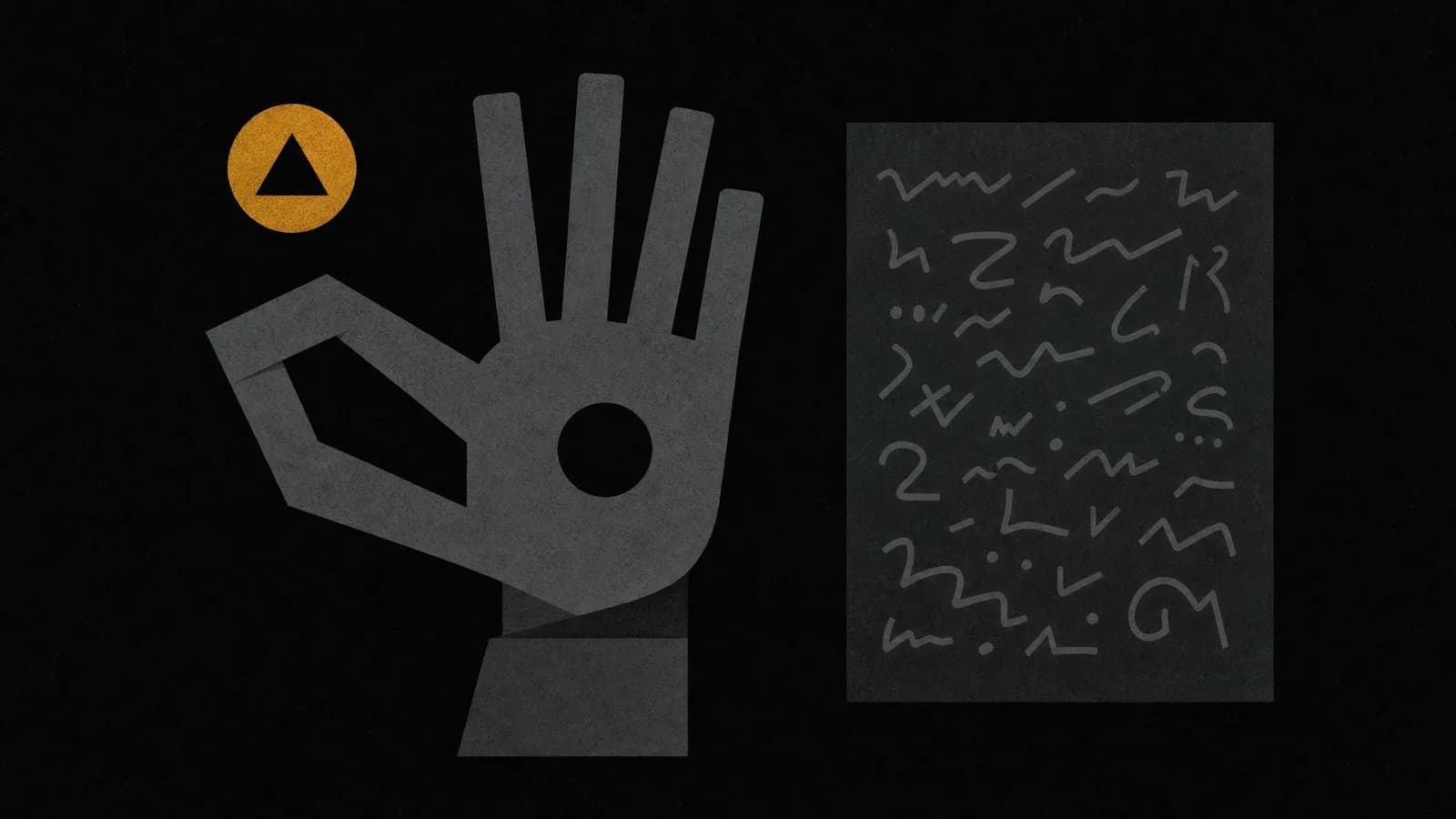
The Legal Limitation: Who Owns an AI Image?
This is a real, unresolved limitation. In the US, purely AI-generated images without significant human creative input generally cannot receive copyright registration. They're effectively public domain by default unless a human made substantial creative choices through detailed prompting, extensive editing, and deliberate arrangement, and even then the threshold gets decided case by case. The EU's AI Act requires disclosure when content is AI-generated. Among major tools, only one currently offers commercial IP indemnification. My Adobe Firefly review covers why: Firefly trains exclusively on licensed Adobe Stock content and public domain material, the training-data provenance that makes indemnification possible.
One Source's DALL-E 3 Claim Was True When Written
One source, published March 26, 2026, states that "DALL-E 3 is still available for ChatGPT Plus users." That was accurate at the time. My DALL·E 3 review confirms, directly against OpenAI's own deprecation notice, that DALL-E 3 shut down completely on May 12, 2026, about seven weeks after that source published. It shows how fast a "current" claim in this space ages past its publish date.
What This Means for Your Workflow
If you hit an unexplained wall on a free tier, it's likely an unpublished usage cap, not a bug. Switch platforms instead of creating extra accounts, which risks the ones you already have. If your work involves legible text, complex hand poses, or a consistent character across many images, budget time for manual correction instead of assuming one generation will be final. If commercial use or client work is involved, treat copyright as an open legal question. Adobe Firefly's indemnification is currently the only concrete protection among major tools.
Where This Fits in the Wider AI Image Toolkit
This is the second concept-explainer page in the AI Image Tools section, connecting to the Ideogram, Adobe Firefly, and DALL·E 3 reviews referenced throughout.
Frequently asked questions
Does Meta AI have a daily image generation limit?
Yes, though Meta doesn't publish the exact number. In my testing I consistently hit a wall around 25 free image generations per day, refreshing on a rolling basis rather than a fixed daily reset, and shared across all profiles linked in your Meta Accounts Center.
Is AI-generated imagery copyrightable?
Generally not in the US, unless a human has made significant creative contributions through detailed prompting, extensive editing, and deliberate arrangement, and even then, the US Copyright Office decides the threshold case by case. Purely AI-generated output is effectively public domain by default.
What do AI image generators still get wrong?
In my testing: complex hand and finger interactions, precise or small text (even on tools marketed as text specialists), realistic multi-person physical interactions, and consistency across a large series of related images all remain limitations as of 2026, improved from a year ago but not solved.
Which AI tool is safest for commercial use?
Among major tools, Adobe Firefly is currently the only one offering IP indemnification for commercial use, a direct result of training exclusively on licensed content rather than broadly scraped web images.
We may earn a commission when you buy through links on this page. It never changes what we recommend — we only write tutorials for tools we actually use, and the price you pay is the same either way. How we make money
Canva AI Review
DALL·E 3 Review
Adobe Firefly Review
Get the AI tool roundup.
One email a week: what launched, what is actually worth paying for, and what to cancel. No hype, no spam.
Unsubscribe any time. We never sell your email.